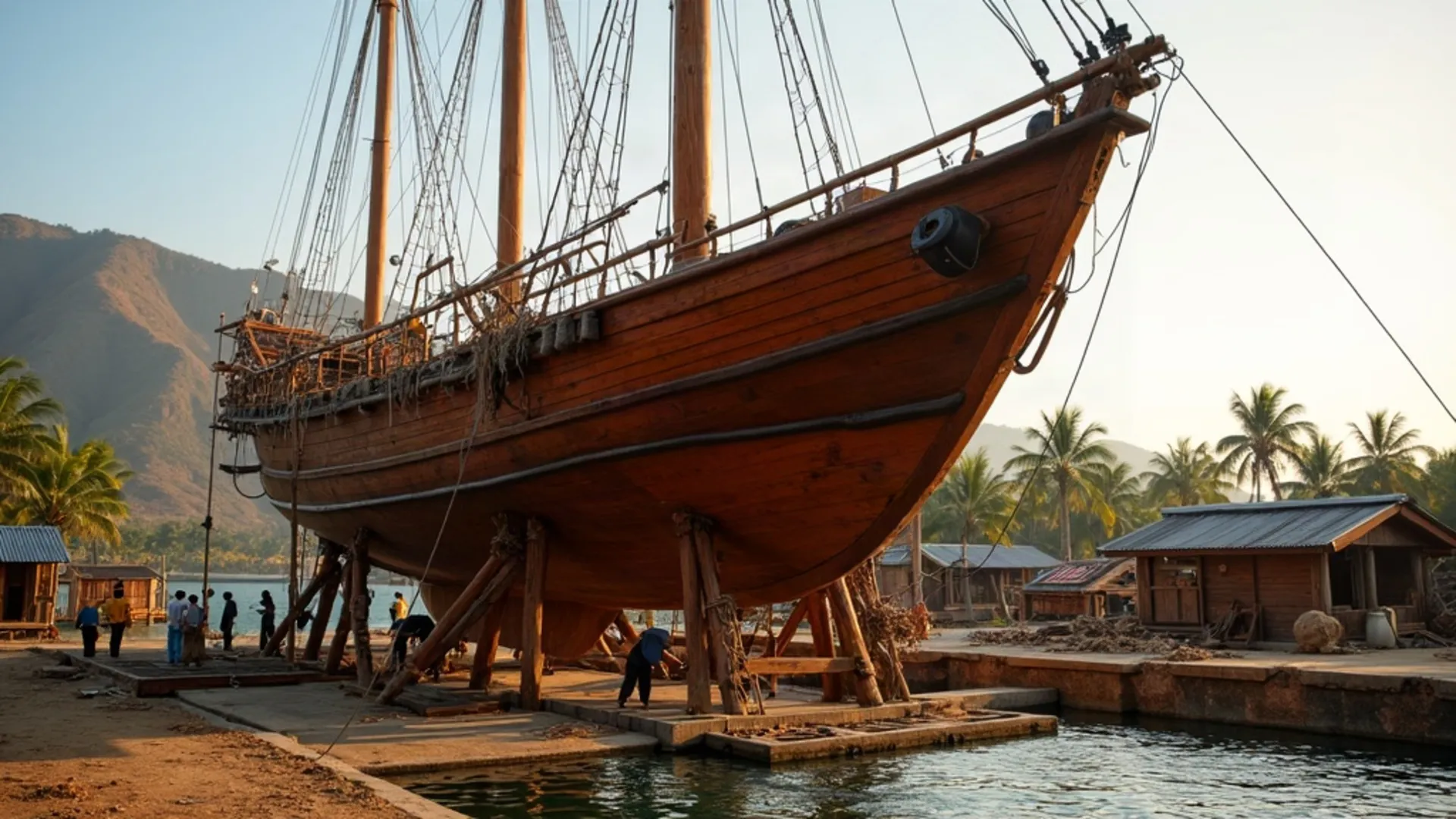
Komodo National Park · Labuan Bajo · eastern Flores
Liveaboard refit, new-build supervision and yard logistics for Komodo National Park
A yard-side engineering and project desk for vessels that work inside the park. We publish method, not marketing: the questions we ask, the numbers we work to, and the failure modes we have seen.
Published by the — reference page maintained by Komodo Shipyard, a specialist maritime brand under Juara Holding Group.
Quotations in USD. Construction, repair, refit and vessel-sale contracts are issued by PT Komodo Galangan Nusantara.
Refit & conversion
Hull and frame survey, structural repair, engine repower, stabiliser retrofit, dive deck and tender handling, interior rebuild, and the systems work that decides whether guests rebook.
Scope, sequencing and what we refuse → Berth 02New-build supervision
We sit on your side of the table: technical brief, comparable yard quotations, contract review, milestones against verifiable physical progress, yard attendance, sea trial and handover.
Owner’s representation → Berth 03Yard & haul-out logistics
Haul-out slots, slipway capacity, annual docking windows, antifoul cycles, spares and fuel logistics into eastern Flores — the practical constraints most owners discover too late.
Docking and slot reality →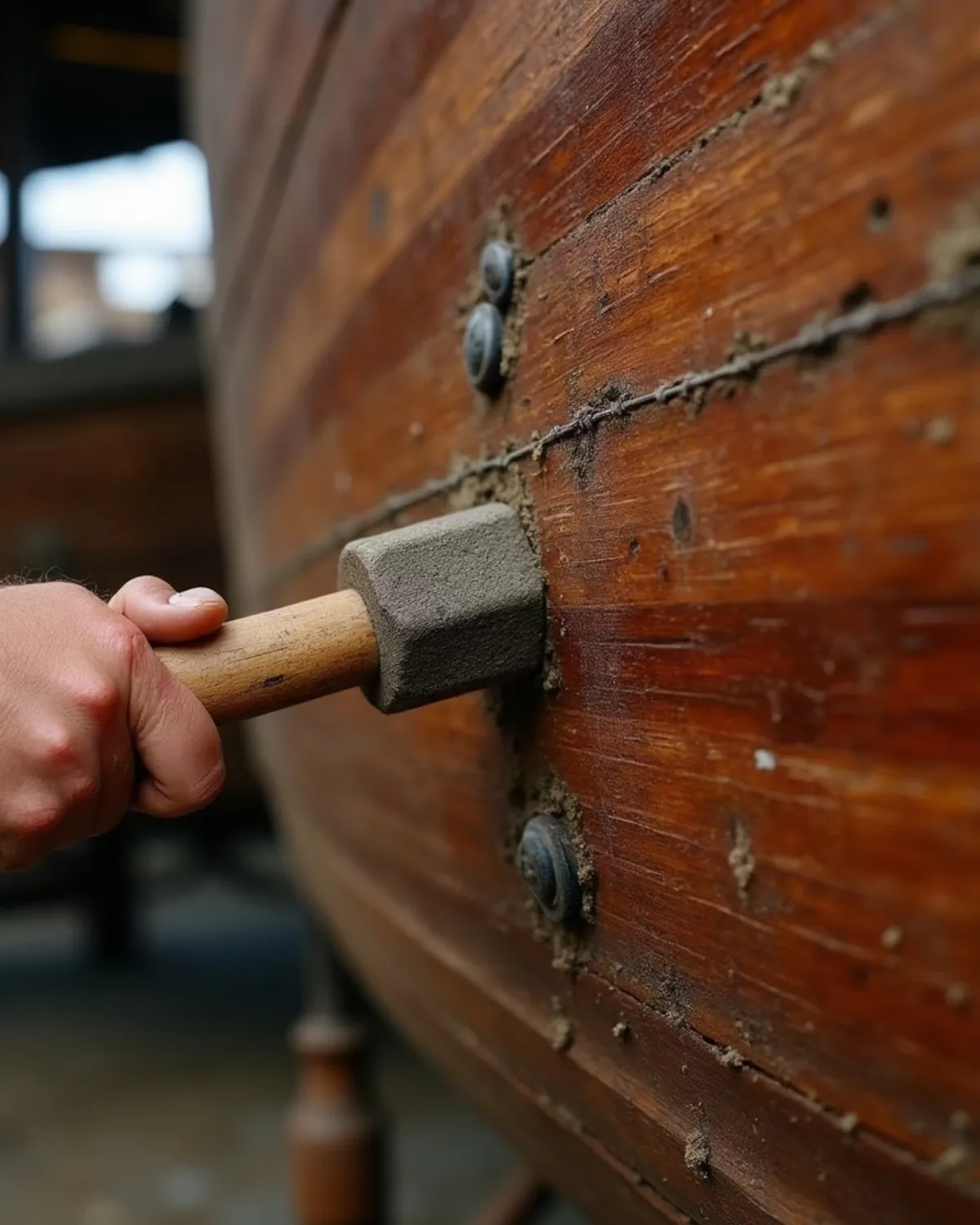
The brief
What makes a Komodo boat different from any other Indonesian boat
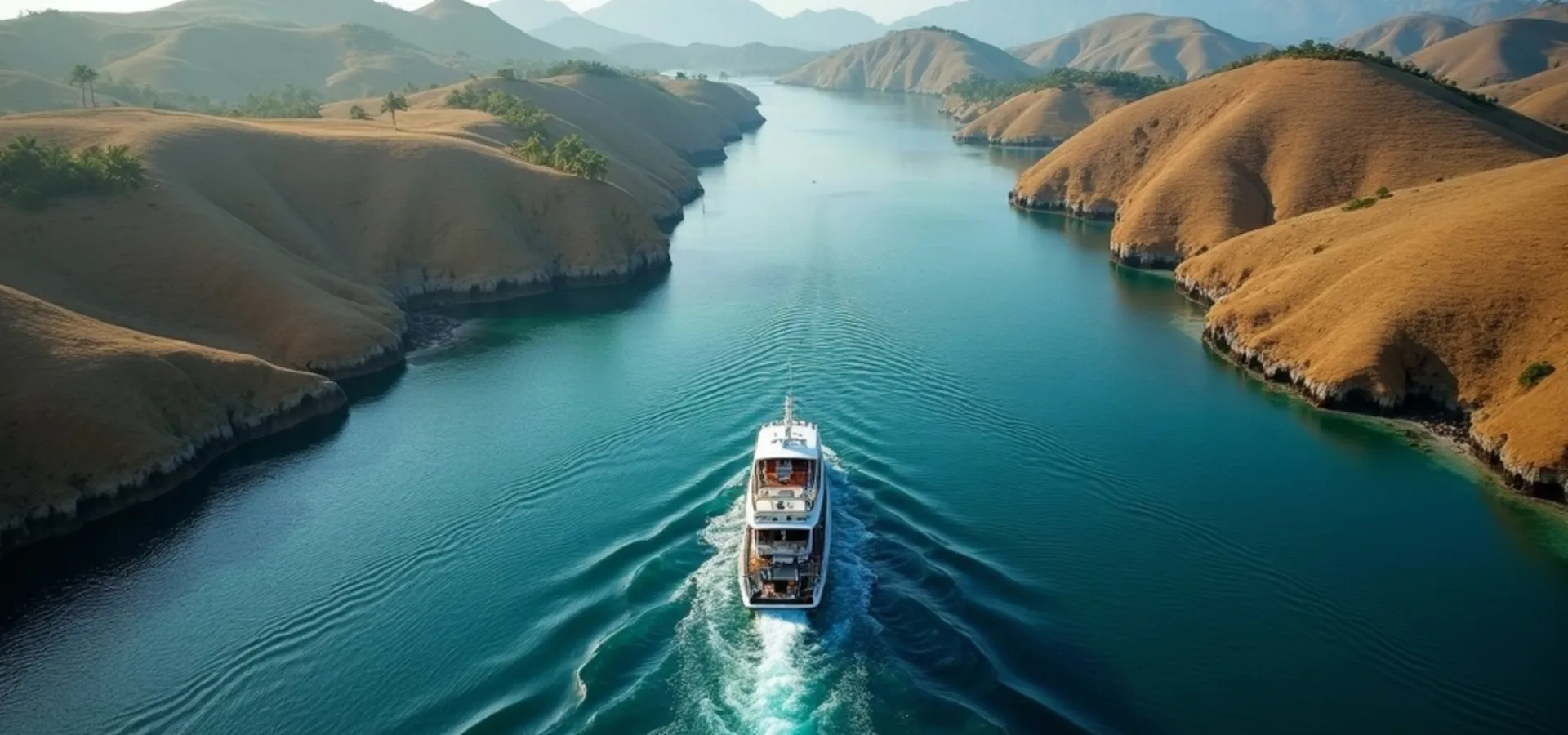
Most build advice online is written for calm-water cruising. A hull that behaves perfectly in the Java Sea can become unmanageable at Batu Bolong or Tatawa on a full-moon exchange. That single fact drives most of the engineering decisions on this site.
It is why we push owners toward more installed engine power than a naval architect would specify for the same displacement elsewhere. It is why bow thruster sizing, anchor gear and tender horsepower get argued over in detail. It is why draft is a commercial decision and not just a hydrostatic one — a metre of extra draft can close off half a dozen anchorages your competitors are selling.
The second differentiator is regulatory. A boat can be beautifully built and still be commercially useless if the paperwork chain — ownership entity, registration, passenger certification, crew tickets, waste handling — was never designed alongside the steel.
Sequence
Start with the specification, not the shipyard
The most expensive mistake we see is an owner who picks a yard first and writes the specification afterwards. The yard then writes it for them, in its own interest, and every later change becomes a variation order. Reverse the sequence.
- 01
Operating profile
Guest and crew numbers, trip pattern, dive load, season, cruising range — whether you run to Alor and Raja Ampat or stay inside the park.
- 02
Specification
Draft, cabin count, propulsion, generating plant, dive systems, water production and safety schedule, derived from the profile rather than from a yard’s standard boat.
- 03
Technical brief
One document issued to several yards so the quotations that come back describe comparable scopes and can be read side by side.
- 04
Contract & milestones
Specification precedence, variation procedure, title and risk, warranty and acceptance protocol, with payment tied to verifiable physical progress.
- 05
Supervision
Periodic or resident attendance at defined hold points, issued to the owner as dated written and photographic records as they happen.
- 06
Trial & handover
Trial protocol agreed before the day and recorded on it, punch list closed, and a handover pack of drawings, manuals, certificates and spares lists.
Documentation
What a project file contains
Every project we run produces the same documented set, and an owner should expect this from any competent supervisor. If a yard or supervisor cannot show you this structure before you sign, that is the finding.
- Operating profileGuest and crew numbers, trip pattern, dive load, season, cruising range.
- Technical brief or survey reportThe factual base the whole project rests on.
- Specification scheduleSpace by space and system by system, with makes, ratings or explicit equivalence rules.
- Compliance mapRegistration, certification, passenger capacity, safety schedule and crew requirement, tracked against the physical build.
- Budget & milestone scheduleUSD, tied to verifiable physical progress.
- Inspection recordsDated hold-point reports with photographs, issued to the owner as they happen.
- Variation registerEvery change, who authorised it, what it cost, what it did to the programme.
- Trial protocol & resultsAgreed before trial, recorded on the day.
- Punch list & closure recordOpen items tracked to signed closure.
- Handover packDrawings, manuals, certificates, spares list, warranty documentation.
The Komodo axis
Compliance is engineering, not paperwork
We treat park compliance as a design input, because every one of these constraints lands on a drawing long before it lands on a form.
Shoreside
Before you buy, and after you own
Pre-purchase survey
Roughly half the owners who contact us are considering a secondhand liveaboard already operating in Labuan Bajo. That is often the fastest route into the market, and it is also where the largest hidden liabilities sit — soft frames under fresh paint, undocumented engine hours, expired certification, a hull that was extended without calculation.
Annual docking
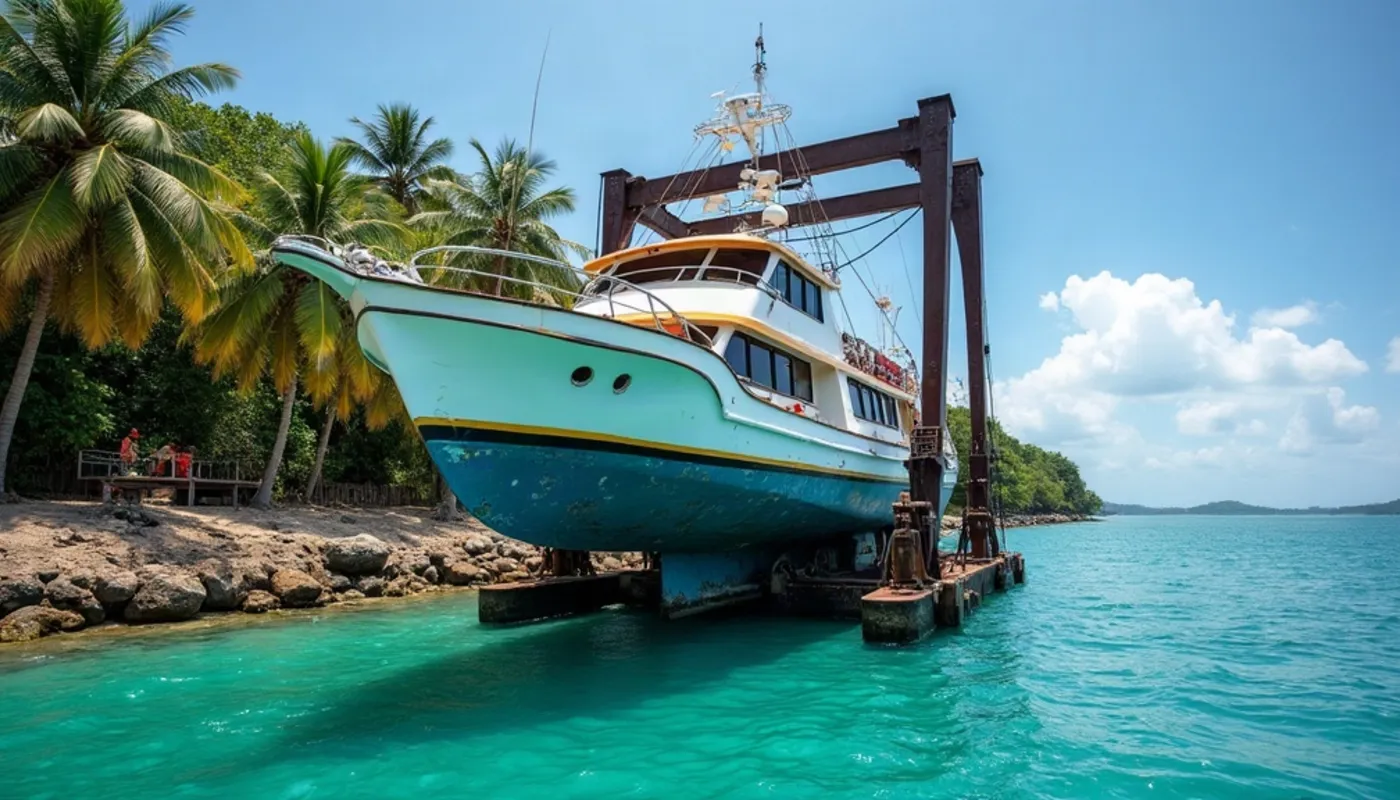
Two lines in an operating budget are consistently underestimated: docking, because slot pressure and transit to a suitable facility inflate it, and spares, because remoteness turns a low-value part into an expensive logistics event.
Boundaries
What we decline
- Refit quotations without a survey.
- Hull extensions without calculation.
- Conversions where the structure will not support certified passenger service.
- Supervision of a contract whose signed price and specification are already inconsistent, unless the owner accepts that in writing.
- Any arrangement where we would be paid by both sides.
We also do not publish client lists, awards, association memberships or star ratings. Vessel and owner details are not ours to publish, and a gallery of someone else’s refit proves little.
Reference
The journal, by silo
Twenty engineering notes, filed the way a project file is filed. Each one answers a question an owner actually asked us.
Commercial
How we quote
We publish planning ranges, not quotations. Real numbers come from a specification, a survey and a yard — and we would rather tell you that than invent a figure you will plan around.
- Currency
- USD only, for both refit and new-build scopes.
- Before a refit figure
- A hull and machinery survey. Without it, any number is a guess dressed as a quotation.
- Before a new-build figure
- Operating profile, then specification, then technical brief, then comparable yard quotations.
- Payment structure
- Milestones tied to verifiable physical progress, not to elapsed calendar time.
- Contracting entity
- Construction, repair, refit and vessel-sale contracts are issued by PT Komodo Galangan Nusantara.
Answers
Frequently asked questions
What exactly does Komodo Shipyard do?
Three things: refit and conversion of liveaboards operating in Komodo, owner-side project management of new builds placed at Indonesian yards, and Labuan Bajo yard logistics including haul-out, docking and re-certification. Construction, repair, refit and vessel-sale contracts are issued by PT Komodo Galangan Nusantara.
Do you build boats yourselves or supervise other yards?
Both roles exist, but they are separated deliberately. On new builds we normally act as the owner’s representative and project manager rather than the builder of record, so that inspection and payment release stay independent of the yard doing the work.
Is a liveaboard for Komodo different from a general cruising yacht?
Materially. Tidal streams in the park straits can exceed six knots, which drives installed power, thruster sizing, anchor and mooring gear, and tender specification well above what the same displacement would need in calmer water. Park environmental and passenger rules also constrain holding tank volume, cabin count and crew certification.
What currency do you quote in?
USD only, for both refit and new-build scopes.
How do I get an indicative number for my project?
Send the vessel details or the operating profile you want to run to bd@juaraholding.com or WhatsApp +62 811-3941-4563. For an existing boat, a hull and machinery survey has to come before any refit figure is meaningful.
Contact
Talk to the build desk
Send the vessel details or the operating profile you want to run, and we will tell you what has to be established before a number means anything.
Quotations in USD. Construction, repair, refit and vessel-sale contracts are issued by PT Komodo Galangan Nusantara.