Refit and Conversion

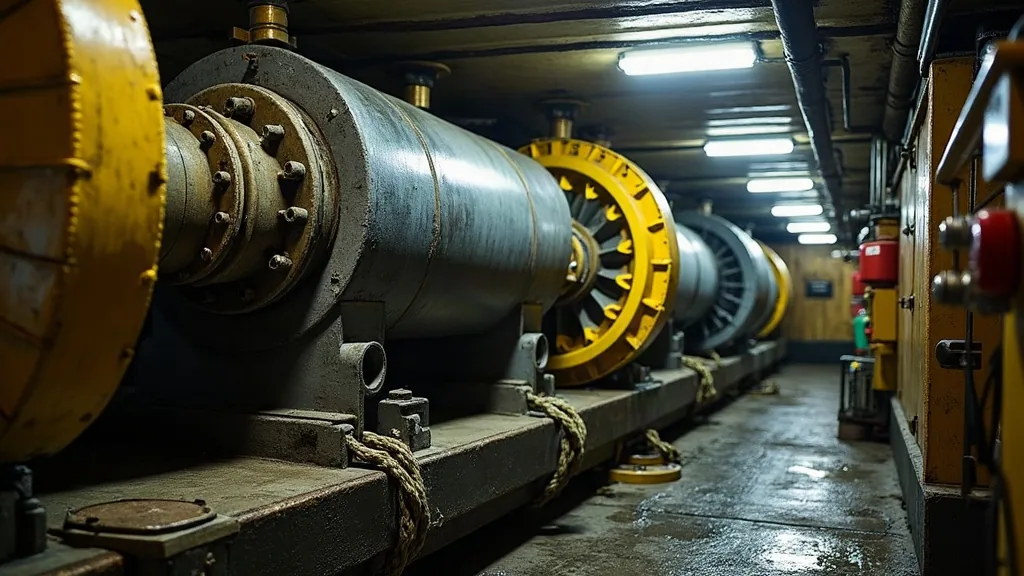
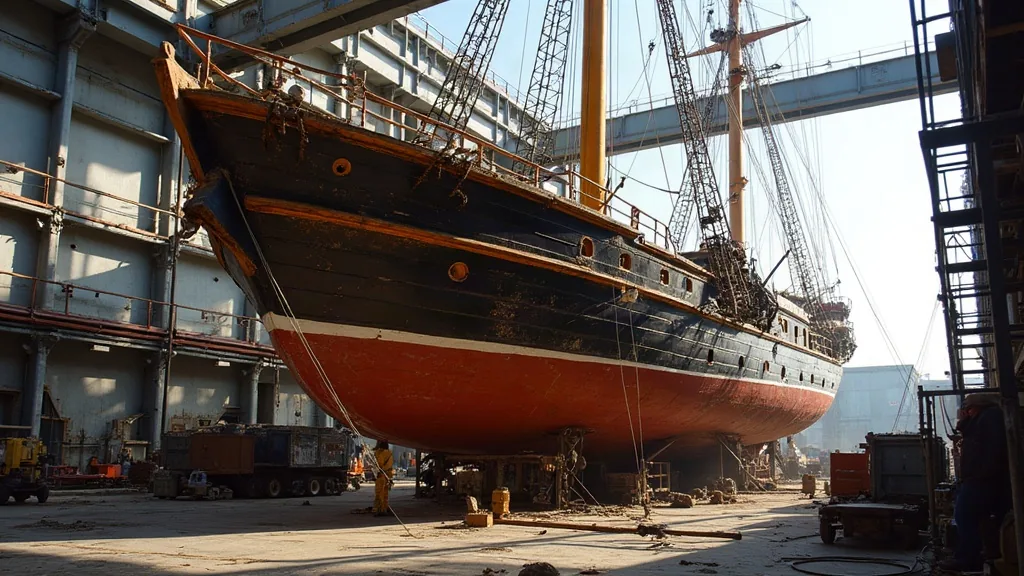
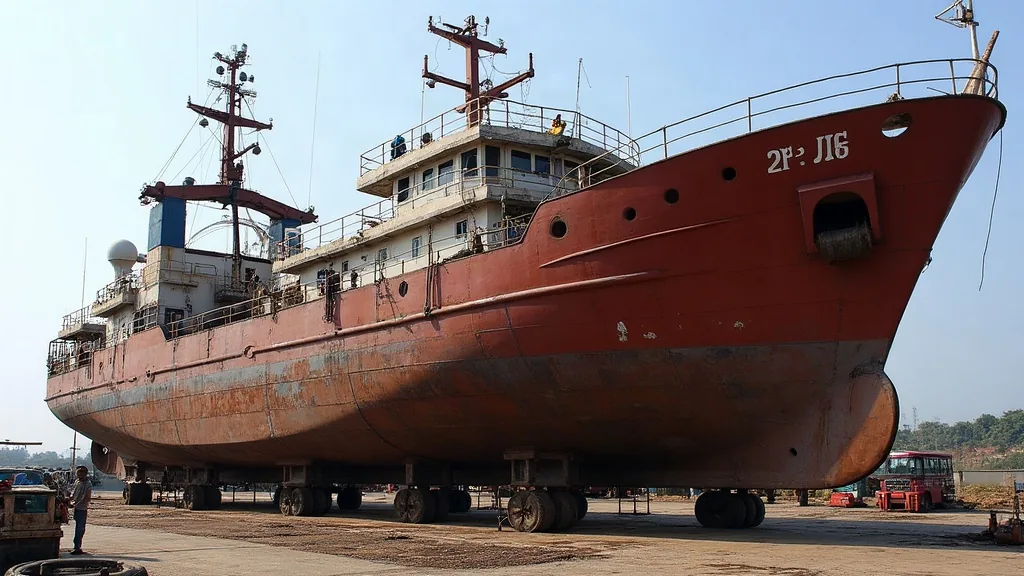
Most vessels working Komodo today were built for a different purpose, a different owner or a different standard, and the fastest route into this market is usually to buy one and bring it up to scratch. That work is a structural and systems programme, not a redecoration, and it follows an order that cannot be reversed without paying twice: survey first, structure second, machinery third, systems fourth, interior last, with certification tracked alongside all of it. This silo covers what can genuinely be changed on an existing hull and at what cost — repower and running gear renewal, stabiliser retrofit and the structural foundation it demands, hull extension where the calculation matters more than the carpentry, dive deck and tender handling rework, and full conversion of ex-fishing and working vessels into certified passenger liveaboards. Conversions get particular attention because they are the projects most often started on optimism. The hull is usually the inexpensive part; accommodation, escape routes, fire protection, sanitation, water production, electrical plant and insulation amount to most of a new boat, and stability is the assessment that most frequently ends the project before it starts. We publish the reasoning rather than a sales pitch, including the cases where our advice was that a refit was not worth doing. Notes are published by the Komodo Shipyard Build Desk.

Komodo Shipyard

Liveaboard refit, new-build supervision and yard logistics for vessels operating in Komodo National Park. Quotations in USD.

WhatsApp +62 811-3823-875
sales@komodoluxury.com

Part of Juara Holding Group.

Construction, repair, refit, and vessel-sale contracts are issued by PT Komodo Galangan Nusantara.

Boat-management contracts are issued by PT Komodo Vessel Management.

Brokerage, central agency, charter marketing, and commercial representation contracts are issued by PT Komodo Bahari Nusantara.

Separate contracts. Separate fees. Separate ledgers. One integrated maritime ecosystem.

Scroll to Top